
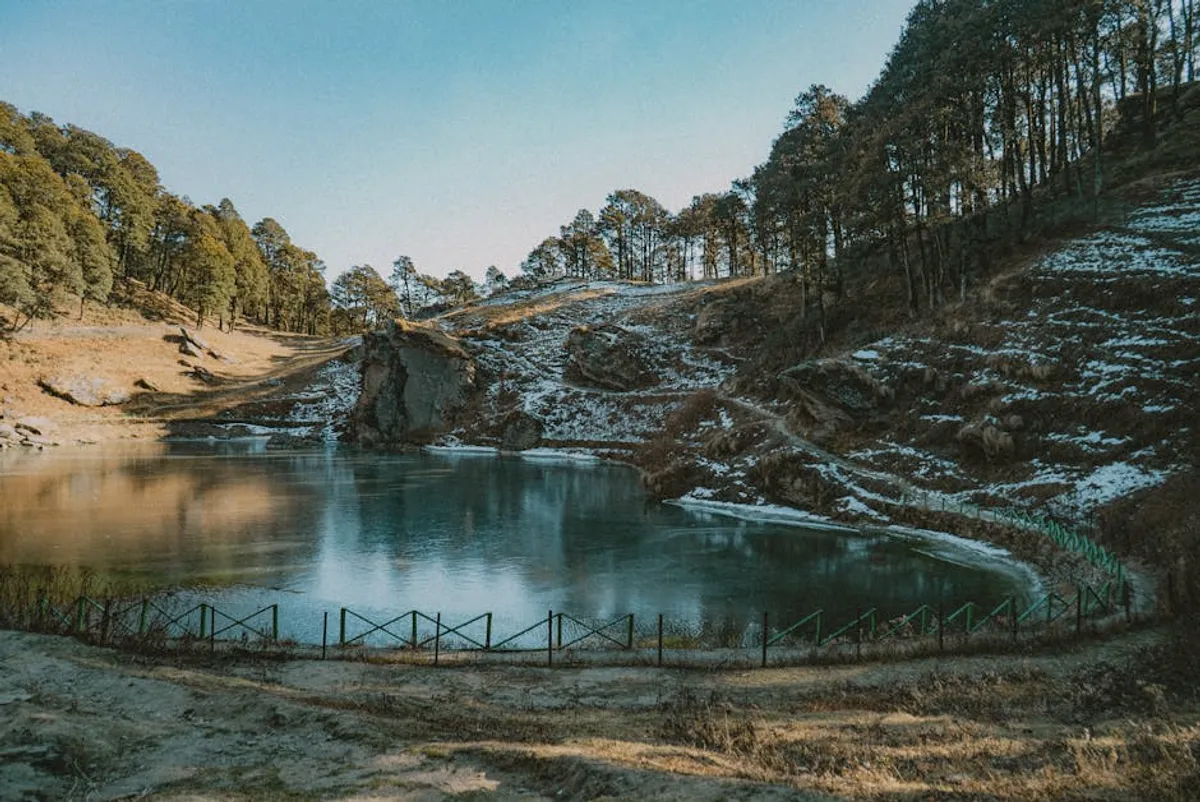
Jibhi, a quiet hamlet nestled in Himachal Pradesh's Banjar Valley, offers a distinct alternative to more frequented Himalayan destinations. This guide details Jibhi's core appeal, outlining specific activities and practical travel advice for those seeking a less commercialized mountain experience. The region caters primarily to travelers prioritizing natural immersion, local cultural engagement, and a slower pace over extensive infrastructure or adrenaline-focused activities.
Experiencing Jibhi: Activities and Natural Attractions
Jibhi's draw lies in its pristine natural environment and the opportunity for unhurried exploration. Activities here are typically centered around trekking, local discovery, and simply appreciating the serene landscape.
Trekking and Nature Trails
The area surrounding Jibhi provides numerous trails catering to varying fitness levels. The most prominent is the trek to Serolsar Lake via Jalori Pass. Jalori Pass itself, at an altitude of 10,800 feet, offers panoramic views of the Dhauladhar and Kinnaur ranges. From the pass, a moderate 5-6 km trek through dense oak and deodar forests leads to Serolsar Lake, a high-altitude lake revered by locals. The walk is manageable for most, taking approximately 1.5-2 hours one-way, and showcases rich biodiversity.
Another accessible option is the short, scenic walk to the Jibhi Waterfall. This involves a relatively easy 15-20 minute walk from the main road, leading to a secluded cascade surrounded by lush greenery, ideal for a peaceful afternoon or photography.
Cultural and Historical Exploration
Beyond natural beauty, Jibhi offers glimpses into traditional Himachali life and architecture.
- Chehni Kothi: A prominent example of traditional Himachali tower architecture, this 1,500-foot structure is located in the nearby Chehni village. It requires a moderate uphill trek from the road head near Shringa Rishi Temple. The multi-storied tower, constructed from stone and wood without cement, provides insight into historical local defense and building techniques.
- Shringa Rishi Temple: Situated close to Chehni Kothi, this temple is dedicated to Rishi Shringa, a local deity. It features intricate wooden carvings typical of regional temple architecture and serves as a significant cultural landmark for the community.
- Village Walks: Engaging in unguided walks through Jibhi and surrounding villages like Chaini or Ghiyagi allows for direct interaction with local life, observing traditional farming practices, and experiencing the slower rhythm of mountain living.
Relaxation and Leisure
Jibhi is also suited for travelers seeking tranquility. The Tirthan River, flowing through the valley, offers spots for riverside picnics or simply unwinding by the water. Trout fishing is possible in designated stretches of the Tirthan River, though a permit from the Forest Department is mandatory and strictly enforced. This activity is best for those with patience and an interest in angling.
Pro Tip: Mobile network coverage in Jibhi, particularly for data services, is often unreliable and varies significantly between providers. Prepare for limited connectivity by downloading maps, essential information, and entertainment offline. This allows for a more immersive experience without reliance on digital access.
Practical Travel Planning for Jibhi
Effective planning ensures a smoother and more enjoyable trip to this relatively remote destination.
Best Time to Visit
The ideal time to visit Jibhi depends on desired activities:
- Spring (March to May): Pleasant weather, blooming rhododendrons, and clear skies. Ideal for trekking and outdoor activities. Temperatures range from 10°C to 25°C.
- Autumn (September to November): Post-monsoon clarity, crisp air, and vibrant fall foliage. Excellent for photography and comfortable exploration. Temperatures range from 5°C to 20°C.
- Winter (December to February): For snow lovers. Jibhi often receives heavy snowfall, transforming the landscape. Roads to Jalori Pass may be closed. Temperatures drop below freezing, often ranging from -5°C to 10°C.
- Monsoon (July to August): Heavy rainfall can lead to landslides and make trekking difficult. Roads can be slippery and less predictable. Not recommended for first-time visitors seeking active exploration.
Getting There and Around
By Air: The nearest airport is Bhuntar Airport (Kullu Airport, KUU), approximately 60 km from Jibhi. From Bhuntar, taxis are available but can be expensive. Shared cabs or local buses require transfers.
By Road: Jibhi is accessible via road. Overnight buses from Delhi or Chandigarh typically go to Aut, a town on the Kullu-Manali highway. From Aut, local buses or shared taxis are available for the remaining 30 km to Jibhi. The journey from Aut takes about 1.5 to 2 hours, involving winding mountain roads.
Local Transport: Within Jibhi and to nearby villages, local taxis are the primary mode of transport. For shorter distances, walking is often the best way to explore.
Accommodation and Dining
Jibhi offers a range of accommodation options, primarily consisting of guesthouses, homestays, and a few boutique stays. These often provide a more personal experience and local insights. Booking in advance, especially during peak seasons, is advisable due to limited availability.
Dining generally revolves around local Himachali cuisine and North Indian dishes. Many homestays offer home-cooked meals, which can be a highlight of the stay. Expect staple dishes like dal, rice, seasonal vegetables, and local bread.
Essential Packing Considerations
Packing for Jibhi requires consideration of the season and planned activities:
- Layers: Mountain weather can change quickly. Pack thermal wear, sweaters, fleeces, and a waterproof/windproof jacket.
- Footwear: Sturdy, comfortable walking shoes or hiking boots are essential for treks and village walks.
- Sun Protection: Sunscreen, sunglasses, and a hat are important, especially at higher altitudes.
- First-Aid Kit: Basic medications for headaches, stomach upsets, and minor injuries.
- Power Bank: For charging devices due to potential power fluctuations or limited outlets in some accommodations.
- Reusable Water Bottle: To minimize plastic waste.
Preparing for Your Jibhi Journey
Jibhi provides an opportunity for a restorative mountain escape, but it requires an appreciation for its rustic charm and limited commercial development. By understanding its unique offerings and preparing adequately for its specific conditions, travelers can maximize their experience, focusing on natural beauty, local culture, and personal rejuvenation away from the demands of urban life. The emphasis here is on mindful travel, respecting the environment and the local community.
Frequently Asked Questions About Jibhi
Is Jibhi suitable for solo travelers?
Yes, Jibhi is generally considered safe and welcoming for solo travelers. The local community is hospitable, and many guesthouses and homestays cater to individual guests. However, standard travel precautions should always be observed.
What kind of food can I expect in Jibhi?
Expect simple, home-cooked Himachali and North Indian meals. Many homestays offer thalis (platters) with dal, rice, seasonal vegetables, and chapati. Some cafes also serve basic continental fare. Local trout preparations are a specialty.
How many days are sufficient to explore Jibhi?
A typical visit of 3 to 5 days allows for a good balance of relaxation and exploration. This duration permits experiencing key attractions like Jalori Pass and Chehni Kothi, along with ample time for village walks and unwinding.
Is Jibhi a crowded tourist destination?
Compared to popular destinations like Manali or Shimla, Jibhi remains relatively less crowded. It attracts a niche of travelers seeking peace and nature, meaning it generally maintains a tranquil atmosphere, even during peak seasons.