
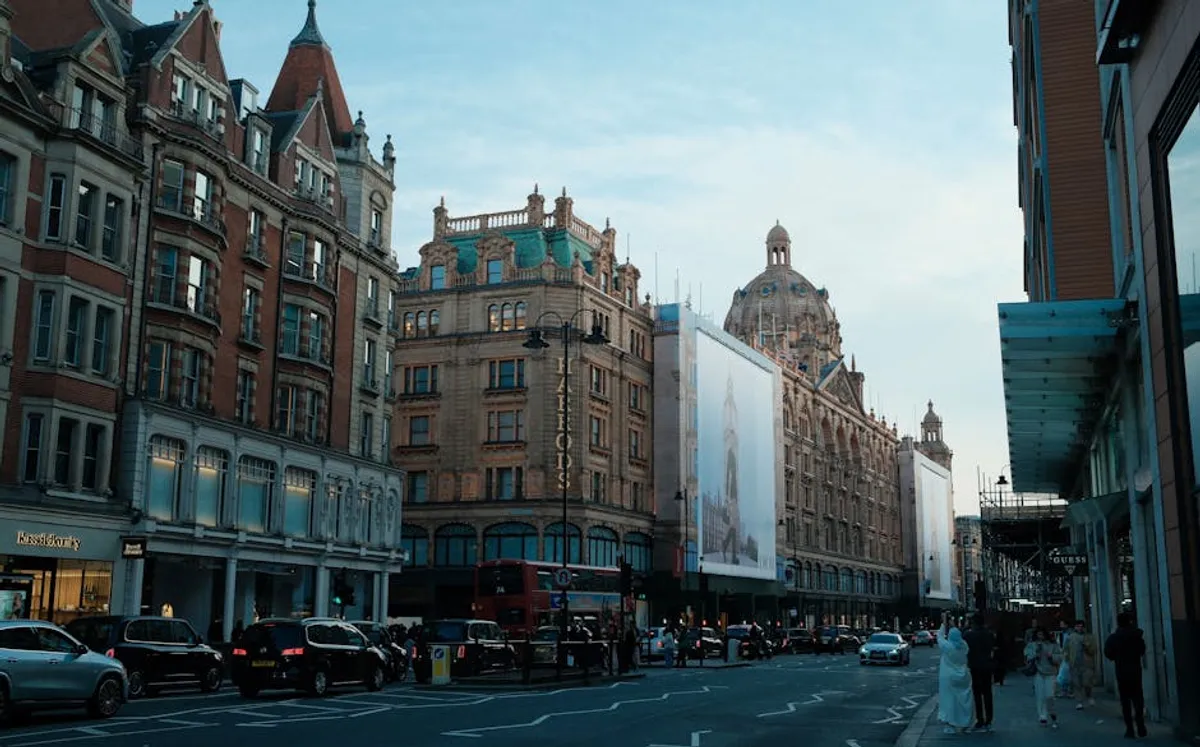
Understanding the search landscape around a high-value geographic area like Mayfair, London, offers critical insights for businesses, content creators, and marketers targeting affluent audiences. This analysis focuses on the search intent, content categories, and organic visibility patterns associated with "Mayfair London" as a topic, rather than a specific website. The district’s unique blend of luxury retail, fine dining, exclusive residences, and cultural institutions generates a diverse array of search queries, making it a complex yet rewarding area for organic search strategy. Examining these patterns helps in identifying content opportunities, understanding audience needs, and positioning digital assets effectively within a competitive luxury market.
What Content Around Mayfair London Appears to Cover
Content related to Mayfair London typically spans several high-value categories, reflecting the district's multifaceted appeal. Core topics include luxury shopping, detailing high-end boutiques, flagship stores, and bespoke services. Fine dining is another dominant theme, with extensive coverage of Michelin-starred restaurants, exclusive private members' clubs, and innovative culinary experiences. Real estate content, from ultra-prime residential properties to commercial office spaces, also features prominently, attracting significant investment-focused search interest. Beyond commerce, articles often delve into Mayfair's rich history, its architectural heritage, and its role as a cultural hub for art galleries, auction houses, and prestigious events. Lifestyle content, such as guides to hotels, spas, and exclusive events, further rounds out the informational ecosystem, catering to visitors and residents alike.
Where Its Search Traffic May Come From
Search traffic for Mayfair London originates from a broad spectrum of user queries and intentions. A significant portion comes from direct searches for "Mayfair London" itself, indicating a general interest or navigational intent towards the area. More granular searches target specific establishments, such as "Claridge's London" or "Sotheby's Mayfair," often driven by commercial or transactional intent. Local search plays a crucial role for users seeking services or experiences nearby, utilizing queries like "restaurants near Mayfair" or "boutique hotels Mayfair." Informational queries, such as "history of Mayfair" or "things to do in Mayfair," attract users seeking to learn more about the district. Additionally, image and map searches contribute to visibility, especially for visual content showcasing the district's aesthetics or aiding navigation. Broader luxury lifestyle searches, such as "best luxury shopping London" or "exclusive dining experiences UK," can also lead users to Mayfair-centric content.
Search Intent Behind Mayfair London
The search intent associated with Mayfair London is highly diversified, reflecting its status as a premier destination. Informational intent is strong among those researching its history, cultural significance, or general attractions. Users might search for "Mayfair landmarks" or "famous residents of Mayfair." Navigational intent is evident when users seek directions to specific locations within the district or the official websites of businesses there. Commercial investigation intent drives queries like "Mayfair luxury hotel reviews" or "best Mayfair art galleries," where users are comparing options before making a decision. Transactional intent is present for direct bookings or purchases, such as "book table restaurant Mayfair" or "buy property Mayfair." Finally, local intent underpins searches for immediate needs or proximity-based services, like "coffee shops Mayfair open now." Understanding these distinct intents is crucial for crafting content that directly addresses user needs at different stages of their journey.
Why Traffic May Rise or Fall
Organic search traffic related to Mayfair London can fluctuate due to several factors. Seasonal tourism trends significantly impact queries for hotels, dining, and attractions, with peaks often observed during holiday seasons or major London events. Economic conditions, particularly those affecting luxury spending and international travel, can influence commercial and transactional search volumes. High-profile events hosted in Mayfair, such as art fairs, fashion weeks, or charity galas, generate temporary spikes in search interest. Changes in Google's local search algorithm or shifts in local business rankings can directly affect visibility for businesses operating within the district. News cycles, positive or negative, about Mayfair or its prominent residents can also drive or suppress search traffic. Furthermore, the freshness and relevance of content play a role; outdated information or a lack of coverage on new establishments can lead to declining visibility over time.
How Content Could Improve Organic Visibility Around Mayfair London
To enhance organic visibility for content centered on Mayfair London, a multi-pronged SEO strategy is essential. Developing comprehensive, authoritative guides that cluster around key themes—like "The Ultimate Guide to Mayfair's Art Scene" or "A Connoisseur's Guide to Mayfair Dining"—can establish topical authority. Implementing robust local SEO practices, including optimized Google Business Profiles for physical locations, consistent NAP (Name, Address, Phone) information, and geo-tagged content, is critical for attracting local searchers. Integrating high-quality visual content, such as immersive 360-degree tours, professional photography of venues, and video testimonials, can capture attention in image and video search results. Regularly updating content to reflect new openings, events, and seasonal changes ensures freshness. Targeting long-tail keywords that reveal specific user needs, such as "private dining rooms Mayfair with terrace" or "Mayfair bespoke tailoring services," can capture highly qualified traffic. Structured data markup for businesses, events, and reviews can also improve how content is presented in SERPs, potentially earning rich snippets.
What to Check Before Trusting Traffic Estimates for Mayfair London
When evaluating third-party traffic estimates for a broad geographic topic like Mayfair London, it is crucial to exercise caution and critical assessment. Generic tools often aggregate data for a wide range of keywords, which may not accurately reflect the specific intent or audience a content creator is targeting. It's important to differentiate between global search volume and highly localized or niche queries. Verify the data sources and methodology of any estimation tool, understanding its limitations, particularly for highly specific local or luxury segments. Cross-referencing with multiple data points, if available, and segmenting keyword research by intent (informational, commercial, transactional) can provide a more nuanced picture. For businesses operating within Mayfair, their own first-party analytics data (Google Analytics, Google Search Console) remains the most reliable source for understanding actual user behavior and traffic performance.
Frequently Asked Questions About Mayfair London Search Profile
What types of businesses thrive in Mayfair's search landscape? Businesses in luxury retail, fine dining, high-end hospitality, and premium real estate consistently see strong search interest within Mayfair. Specialized services like bespoke tailoring, private banking, and exclusive art dealerships also perform well.
How does seasonality affect Mayfair search interest? Search interest for Mayfair typically peaks during major tourist seasons and around significant cultural or shopping events, such as Christmas, summer holidays, or London Fashion Week. Off-peak seasons may see a shift towards more local or business-focused queries.
What role does local SEO play for Mayfair content? Local SEO is paramount for businesses physically located in Mayfair, driving foot traffic and local inquiries. Optimized Google Business Profiles, local citations, and geo-specific content are essential for ranking in "near me" searches and local map packs.
How can content differentiate itself in a competitive 'Mayfair' search space? Differentiation comes from offering unique perspectives, hyper-specialized guides (e.g., "Mayfair's Hidden Courtyards"), exclusive interviews, high-quality visual storytelling, and content that addresses very specific, underserved long-tail queries within the luxury niche.



