Understanding the nuanced symbolism of Lily of the Valley is critical for brands, content creators, and individuals seeking to convey specific messages through floral choices, gift items, or narrative development. Its delicate appearance belies a rich tapestry of meanings that can elevate product positioning, deepen storytelling, or inform design decisions. For those operating in industries such as floristry, perfumery, jewelry, or event planning, a precise grasp of these associations allows for more targeted marketing and product development, ensuring alignment between product and intended emotional resonance.
Core Symbolism: Purity, Happiness, and Renewal
Lily of the Valley (Convallaria majalis) carries several primary symbolic associations, each rooted in its appearance, historical usage, and cultural narratives. These core meanings are frequently leveraged across various commercial and personal contexts.
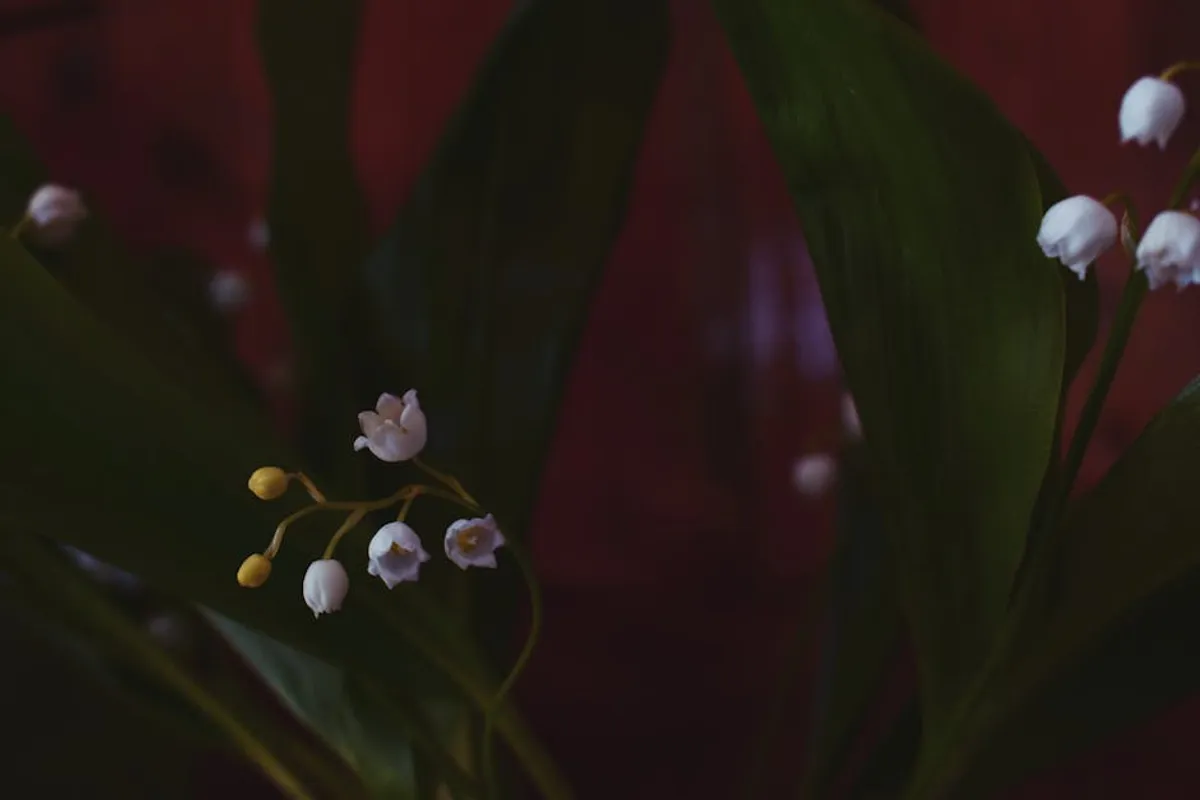
- Purity and Innocence: The pristine white bells and often secluded growth habit contribute to its association with purity. This makes it a traditional choice for bridal bouquets and religious ceremonies, signaling unblemished beginnings and spiritual cleanliness. For brands, this translates to product lines emphasizing newness, simplicity, or ethical sourcing.
- Return to Happiness: One of its most enduring meanings, "the return to happiness," stems from its appearance in spring after winter's dormancy. This symbolism positions the flower as a harbinger of joy, hope, and emotional recovery. Products or content aiming to evoke optimism, comfort, or celebration often feature this flower.
- Humility: The flower's downward-facing bells are often interpreted as a sign of humility or modesty. This meaning is particularly relevant in contexts where understated elegance or genuine sentiment is preferred over ostentatious displays. It can inform design choices for subtle luxury goods or heartfelt personal gifts.
- Motherhood and Fertility: In some cultures, particularly those celebrating spring and renewal, Lily of the Valley is linked to motherhood and fertility, reflecting its appearance during periods of new life. This makes it a relevant motif for products targeting new parents or celebrating maternal figures.
Historical and Cultural Contexts
The symbolism of Lily of the Valley is not monolithic; it has evolved and acquired specific nuances across different cultures and historical periods. Recognizing these variations allows for more precise application in commercial endeavors.
Christian Traditions and Sacred Meanings
In Christian lore, Lily of the Valley is often called "Our Lady's Tears," believed to have sprung from the tears of the Virgin Mary at the foot of the cross. This imbues it with a sacred quality, linking it to sorrow, purity, and divine love. It also appears in stories related to St. George, where it is said to have bloomed from his blood after slaying a dragon, symbolizing courage and victory. For religious goods or commemorative items, this context provides a deep layer of meaning.
Victorian Language of Flowers
During the Victorian era, the "language of flowers" (floriography) assigned specific meanings to blooms for covert communication. Lily of the Valley unequivocally represented "the return of happiness." This historical association remains potent, particularly in literature, art, and vintage-inspired product lines where conveying sentiment through floral symbolism is key.
French May Day Traditions
In France, it is customary to give sprigs of Lily of the Valley (muguet) on May 1st (Fête du Muguet) as a token of good luck and happiness. This tradition reinforces the "return to happiness" meaning and creates a specific seasonal commercial opportunity for florists, confectioners, and gift retailers in regions influenced by French culture.
Pro Tip: When integrating Lily of the Valley into product branding or content, research the specific cultural nuances of your target audience. While "return to happiness" is widely understood, its religious or traditional associations may resonate more strongly in certain markets, allowing for hyper-targeted messaging and design.
Commercial Applications and Strategic Use
The rich symbolism of Lily of the Valley offers distinct advantages for various commercial sectors, enabling brands to communicate specific values and emotions without explicit statements.
Perfumery and Fragrance Industry
The flower's distinct, delicate, and fresh scent is highly prized in perfumery, often associated with clean, ethereal, and classic fragrances. Its symbolic ties to purity and happiness align perfectly with perfumes designed to evoke freshness, innocence, or uplifting sensations. Brands can leverage this dual appeal—olfactory and symbolic—to position new scents or reinforce existing brand identities.
Wedding and Event Planning
As a traditional bridal flower, Lily of the Valley communicates purity, happiness, and devotion. Its inclusion in wedding bouquets, decor, or stationery instantly conveys these sentiments. Event planners and florists can upsell this flower by emphasizing its historical and symbolic significance, positioning it as an investment in meaningful detail rather than just an aesthetic choice.
Jewelry and Fashion Design
Jewelry designers often incorporate Lily of the Valley motifs into delicate pieces, symbolizing enduring happiness or cherished memories. Its small, bell-like form is aesthetically pleasing and lends itself to intricate designs. Fashion brands can use its image in prints or accessories to evoke spring, renewal, or a sense of classic elegance.
Content Creation and Storytelling
For writers, artists, and content creators, Lily of the Valley serves as a powerful visual and narrative metaphor. Its symbolism can enrich storylines, add depth to character development, or convey specific emotional states. Understanding its layered meanings allows for more sophisticated and impactful storytelling in marketing campaigns, editorial content, or artistic projects.
Leveraging Symbolism for Brand Resonance
Effectively using Lily of the Valley's symbolism requires more than just including its image; it demands an understanding of how its meanings align with your brand's message and target demographic. By consciously selecting which aspects of its symbolism to highlight, businesses can forge stronger emotional connections with their audience.
For example, a luxury brand might focus on its association with understated elegance and rare beauty, given its delicate nature and sometimes high cost. A wellness brand could emphasize its "return to happiness" aspect, linking it to mental well-being and renewal. Conversely, a brand targeting new mothers might lean into its fertility and maternal associations. The key is to be deliberate in the chosen narrative, ensuring consistency across all touchpoints.
Frequently Asked Questions
What is the primary meaning of Lily of the Valley?
The primary meaning of Lily of the Valley is "the return to happiness," symbolizing joy, hope, and renewal after a period of difficulty or winter.
Is Lily of the Valley associated with purity?
Yes, its delicate white bells and pristine appearance strongly link it to purity, innocence, and new beginnings, making it a popular choice for weddings.
Why is Lily of the Valley given on May 1st in France?
In France, giving Lily of the Valley on May 1st (Fête du Muguet) is a tradition to wish good luck and happiness, reinforcing its symbolism of joy and renewal.
Does Lily of the Valley have any negative symbolism?
While predominantly positive, its extreme toxicity can sometimes be a subtle symbolic undercurrent, representing hidden dangers or the fragility of beauty, though this is less common in general usage.