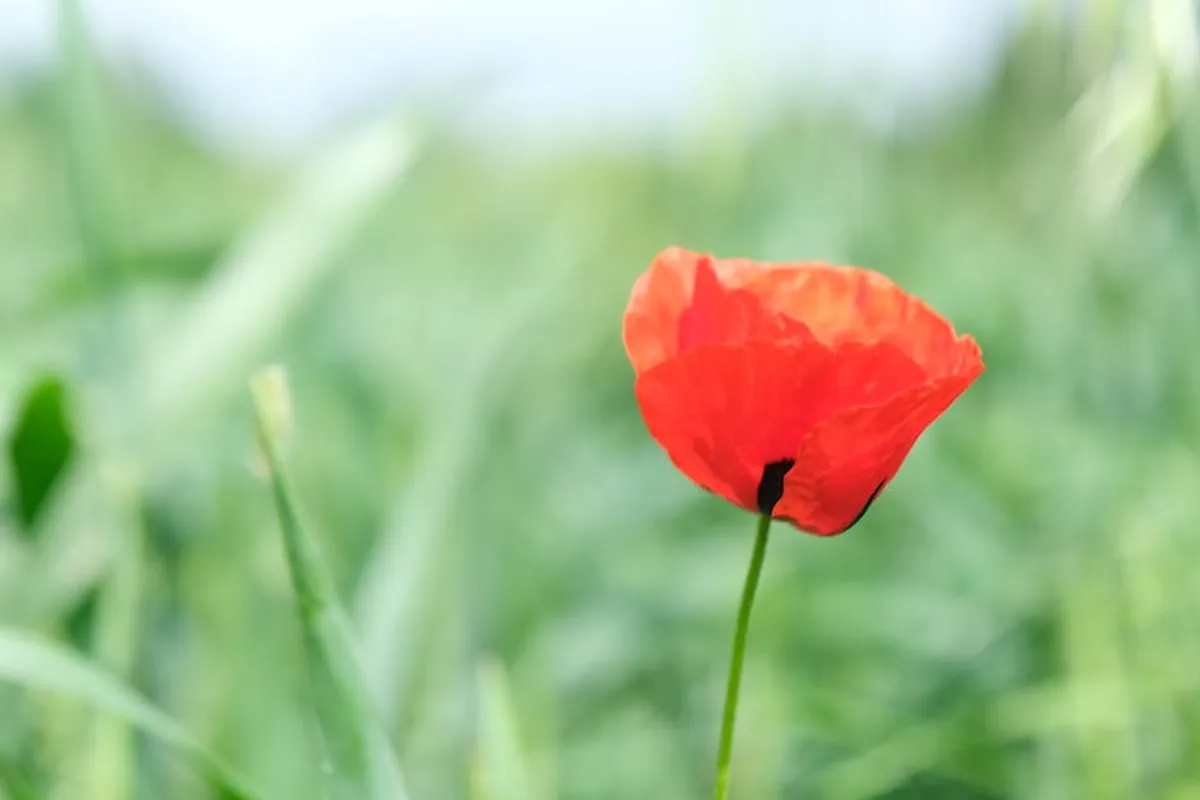
The poppy flower, with its delicate petals and striking presence, carries a depth of meaning that spans ancient civilizations, global conflicts, and contemporary design. Its symbolism is not monolithic; rather, it shifts significantly based on color, cultural context, and historical association. For anyone working with visual communication, event planning, floral design, or content creation, understanding these nuanced interpretations is essential for conveying the intended message without ambiguity or unintended implications. Misinterpreting a poppy's symbolism can lead to misaligned branding, inappropriate memorial tributes, or simply a lost opportunity to connect with an audience on a deeper emotional level. This exploration unpacks the specific meanings attributed to different poppy varieties and their historical roots, providing a framework for informed application.
Historical Roots and Cultural Resonance
The poppy's journey through human history is long and varied, establishing its foundational symbolic associations. Ancient Greek and Roman cultures often linked the poppy to sleep, dreams, and death, largely due to the sedative properties of the opium poppy (Papaver somniferum). Morpheus, the Greek god of dreams, was frequently depicted wearing or carrying poppies. Demeter, the goddess of harvest and fertility, also had poppies associated with her, symbolizing fertility and the cyclical nature of life and death, particularly as they often grew in grain fields. This dual association with slumber and sustenance laid the groundwork for its later, more complex interpretations.
In Eastern cultures, particularly in parts of Asia, the poppy has historically been associated with wealth, luxury, and success, sometimes intertwined with its medicinal and commercial value. Its vibrant colors and often abundant growth contributed to this perception, distinct from the Western emphasis on its more somber attributes.
Specific Color Interpretations
The color of a poppy significantly alters its symbolic weight, making precise selection critical for any communicative purpose.
Red Poppy: Remembrance and Sacrifice
The most globally recognized symbol, the red poppy's association with remembrance stems from World War I. The battlefields of Flanders, churned by conflict, became fertile ground for millions of wild poppies (Papaver rhoeas). Their vivid red blooms across the scarred landscape inspired Lieutenant Colonel John McCrae's poem "In Flanders Fields," cementing their status as a symbol of sacrifice, fallen soldiers, and ultimately, remembrance. This connection is particularly strong in Commonwealth countries, where artificial poppies are worn annually on Remembrance Day.
- Key Associations: Remembrance, sacrifice, patriotism, consolation, passion.
- Best for: Memorial services, commemorative events, historical tributes, expressions of deep love or respect.
White Poppy: Peace and Consolation
While less common, the white poppy offers a distinct message. It has been adopted by various peace movements, particularly in the United Kingdom, as an emblem of peace and pacifism, sometimes in contrast to the red poppy's association with military sacrifice. It also retains some of the ancient symbolism of sleep and oblivion, offering solace and tranquility.
- Key Associations: Peace, tranquility, consolation, purity, sleep, spiritual remembrance.
- Best for: Peace advocacy, funerals, expressions of sympathy, serene designs.
Purple Poppy: Enchantment and Luxury
Purple poppies, often cultivated varieties, carry connotations of royalty, luxury, and enchantment. Historically, purple dyes were expensive and reserved for the elite, transferring this sense of exclusivity to purple flowers. In some contexts, they can also symbolize imagination, magic, and a deeper, more mystical connection.
- Key Associations: Royalty, luxury, success, enchantment, imagination, magic.
- Best for: Upscale branding, fantasy-themed events, artistic expression, gifts signifying admiration.
Yellow Poppy: Success and Bright Wishes
Yellow poppies, particularly the California poppy (Eschscholzia californica), often represent success, prosperity, and bright, optimistic wishes. Their sunny hue aligns with feelings of joy, warmth, and vitality. This symbolism makes them suitable for celebrations and expressions of positive sentiment.
- Key Associations: Success, prosperity, joy, bright wishes, good fortune, enthusiasm.
- Best for: Celebratory events, business milestones, gifts of encouragement, cheerful designs.
Orange Poppy: Enthusiasm and Determination
Orange poppies share some characteristics with yellow but add a layer of energy and determination. They can symbolize enthusiasm, excitement, and a strong will. This vibrant color suggests warmth, positive energy, and a zest for life, often associated with a bold and adventurous spirit.
- Key Associations: Enthusiasm, determination, energy, joy, excitement, adventure.
- Best for: Motivational content, energetic branding, events celebrating achievement, designs conveying warmth.
Pro Tip: When incorporating poppy imagery, always consider the specific cultural and historical context of your audience. While the red poppy universally signifies remembrance in many Western nations, its interpretation can vary. For instance, in some regions, specific colors or flower types might carry different or even contradictory meanings. Researching local customs ensures your message is received as intended, avoiding unintended offense or confusion, particularly in international campaigns or memorial tributes.
Applying Poppy Symbolism Commercially
Understanding the precise symbolism of poppy colors offers tangible commercial advantages:
For Florists and Event Planners: Selecting the correct poppy color for a wedding, memorial, or corporate event ensures the floral arrangement aligns perfectly with the occasion's tone and message. A red poppy bouquet at a remembrance event is poignant, while yellow poppies at a graduation celebrate success.
For Designers and Marketers: Graphic designers and brand strategists can leverage poppy imagery to evoke specific emotions or convey brand values. A luxury brand might use purple poppies for an exclusive product launch, while a non-profit focused on peace might incorporate white poppies in their advocacy materials. The visual impact is immediate and potent when aligned with established symbolism.
For Content Creators and Publishers: Writers and editors can use poppy references to add depth and nuance to narratives, poetry, or historical articles. A story about overcoming adversity might feature orange poppies, while a piece on historical memory could center on red poppies, enriching the reader's understanding and emotional connection.
Practical Application and Contextual Awareness
The poppy's multifaceted symbolism provides a rich palette for communication, but its effective use hinges on contextual awareness. It is not merely about knowing what each color means, but understanding how those meanings interact within specific cultural, historical, and personal narratives. For example, while red poppies are universally associated with remembrance in the UK, the specific nuance can shift in other countries. Always consider the target audience's background to ensure the message resonates appropriately. Leveraging these established meanings allows for powerful, efficient communication that taps into collective understanding, enhancing the impact of any visual or textual message.
Frequently Asked Questions
What is the primary symbolism of the red poppy?
The red poppy primarily symbolizes remembrance and sacrifice, particularly associated with fallen soldiers and veterans from conflicts like World War I, due to its proliferation on battlefields.
Do different poppy colors have different meanings?
Yes, different poppy colors carry distinct meanings. Red signifies remembrance, white represents peace, purple denotes luxury or enchantment, yellow indicates success, and orange suggests enthusiasm.
Why are poppies sometimes associated with sleep or death?
Poppies, especially the opium poppy, contain sedative properties. Ancient Greek and Roman cultures linked them to sleep, dreams, and figures like Morpheus (god of dreams) and Thanatos (god of death), establishing an early association with oblivion and the end of life.
Can poppy symbolism be used in commercial branding?
Absolutely. Understanding poppy symbolism allows brands to evoke specific emotions or values. For instance, a luxury brand might use purple poppies, while a company promoting well-being might opt for white or yellow poppies to convey peace or prosperity.