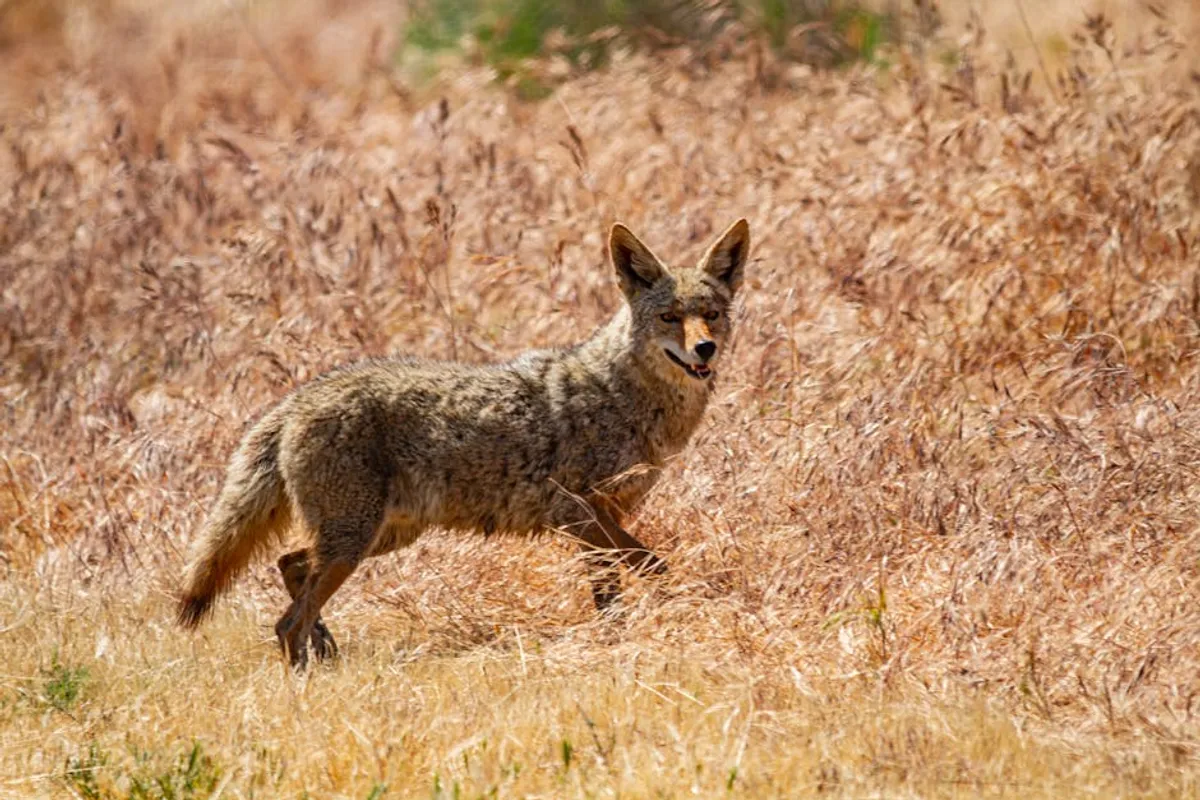
The coyote, a creature often observed on the fringes of human habitation, carries a profound and intricate spiritual meaning across various cultural traditions, particularly within Native American folklore. For content creators, marketers, and SEO professionals, understanding this symbolism is not merely an academic exercise; it provides a lens into audience psychology, cultural resonance, and nuanced search intent. Grasping the layers of meaning associated with the coyote allows for the development of more authentic, authoritative, and engaging content that speaks directly to specific cultural or spiritual interests, moving beyond superficial interpretations to address deeper user queries and thematic exploration.
Understanding the Archetype: Coyote's Core Symbolic Roles
Coyote's spiritual significance is rarely monolithic; it embodies a spectrum of traits that often appear contradictory, yet collectively form a powerful archetype. This duality is central to its enduring presence in spiritual narratives and its capacity to evoke diverse audience responses. Recognizing these core roles helps delineate distinct content angles and target specific informational needs.
The Trickster: Disruption and Ingenuity
Perhaps the most widely recognized aspect of Coyote is its role as a trickster. This isn't simply about deception; it encompasses a broader theme of challenging norms, exposing folly, and instigating change through unconventional means. In this context, Coyote symbolizes cleverness, adaptability, and a willingness to operate outside established rules. For content strategy, this translates into themes of:
- Innovation: How to disrupt traditional markets or thought patterns.
- Problem-Solving: Finding creative, non-obvious solutions to complex challenges.
- Adaptability: Navigating uncertainty and transforming obstacles into opportunities.
Content exploring these themes, when framed through the Coyote trickster archetype, can resonate with audiences seeking strategies for competitive advantage, personal growth through challenging experiences, or insights into systemic change.
The Wise Teacher: Adaptability and Resilience
Beyond the trickster, Coyote also functions as a profound, albeit sometimes harsh, teacher. Its stories often illustrate the consequences of arrogance, greed, or shortsightedness, imparting lessons through experience. This teaching role emphasizes resilience, the value of learning from mistakes, and the wisdom gained through adversity. Content drawing on this aspect can focus on:
- Personal Development: Overcoming setbacks, building mental fortitude.
- Strategic Planning: Anticipating pitfalls, learning from past failures.
- Survival Skills: Resourcefulness and perseverance in difficult environments.
This perspective appeals to audiences interested in self-improvement, leadership development, or narratives of overcoming challenges, offering a more profound and less direct instructional approach.
The Shapeshifter: Transformation and Versatility
Coyote's ability to change form or adapt its persona highlights themes of transformation, versatility, and the fluidity of identity. This aspect speaks to the potential for growth, metamorphosis, and the embracing of multiple roles or perspectives. For content creation, this suggests exploration of:
- Brand Evolution: Narratives around rebranding, market pivots, or product diversification.
- Personal Transformation: Stories of significant life changes, career shifts, or identity exploration.
- Interdisciplinary Approaches: Combining diverse fields for novel solutions.
This symbolism is powerful for content targeting audiences engaged in personal or professional transitions, or those interested in the dynamic nature of identity and progress.
Regional Interpretations: Nuance in Native American Traditions
It is crucial to acknowledge that Coyote's symbolism is not uniform across all Native American tribes. While the trickster element is common, the specific attributes and moral lessons vary significantly. For instance, some traditions emphasize Coyote's role as a creator figure, responsible for shaping the world or bringing fire to humanity, often through a blend of cunning and accidental discovery. Others portray Coyote as primarily foolish or destructive, serving as a cautionary tale.
Understanding these regional nuances is vital for content accuracy and authenticity. Generic references to "Coyote spiritual meaning" without acknowledging the specific tribal context can be misleading and diminish the authority of the content. For SEO, this means:
- Targeting long-tail keywords that specify tribal affiliations (e.g., "Navajo Coyote stories," "Hopi Coyote symbolism").
- Developing content that respects and accurately represents the source culture, enhancing trustworthiness and depth.
- Recognizing that different audiences may be searching for specific cultural interpretations, not just a broad overview.
Pro Tip: When developing content around culturally specific spiritual symbols like the Coyote, prioritize primary sources or reputable academic and indigenous cultural resources. Misrepresenting or oversimplifying these traditions can erode credibility and alienate informed audiences. Emphasize the specific tribal origin when discussing particular narratives or meanings to ensure accuracy and respect.
Informing Content Strategy: Leveraging Coyote's Symbolism
The commercial utility of understanding Coyote's spiritual meaning lies in its capacity to inform sophisticated content strategies. This goes beyond mere keyword stuffing, enabling the creation of narratives that resonate on a deeper level with specific audience segments.
Identifying Audience Intent
Users searching for "Coyote spiritual meaning" are often seeking more than just factual definitions. They are looking for:
- Cultural Insight: Understanding indigenous perspectives and folklore.
- Personal Guidance: Interpreting Coyote as a spirit animal or guide for life lessons.
- Archetypal Exploration: Connecting the Coyote figure to broader psychological or mythological themes.
Content that addresses these diverse intents, rather than just one, will capture a wider, more engaged audience. For example, a piece could explore how Coyote's adaptability can inspire modern business strategies, while also acknowledging its mythological roots.
Crafting Resonant Narratives
By integrating Coyote's symbolism, content can move beyond dry information to compelling storytelling. A brand might use the trickster archetype to position itself as an innovative disruptor, or leverage the wise teacher aspect to frame its educational resources. This approach allows for:
- Emotional Connection: Archetypes evoke deep-seated human experiences and emotions.
- Memorability: Stories are more engaging and easier to recall than plain facts.
- Differentiation: Unique narrative angles can distinguish content in crowded niches.
This is particularly effective in niches like holistic wellness, personal coaching, creative industries, or environmental advocacy, where archetypal storytelling can add significant depth.
Practical Applications for Digital Content
Applying the insights from Coyote's symbolism to digital content involves several practical steps:
Content Pillars: Develop distinct content pillars around each major aspect of Coyote's symbolism (e.g., "Coyote as a Symbol of Innovation," "Coyote's Lessons in Resilience," "The Transformative Power of Coyote"). This creates a structured content ecosystem that addresses different facets of user intent.
Keyword Research Expansion: Move beyond basic "coyote meaning" keywords to include phrases like "trickster archetype in business," "adaptability spirit animal," "cultural lessons from Coyote folklore." This captures more specific and engaged search queries.
Multimedia Integration: Use imagery, illustrations, or even audio snippets of traditional storytelling (with proper permissions and attribution) to enhance the cultural richness of the content. Visuals that evoke Coyote's various roles can reinforce the narrative.
Audience Segmentation: Recognize that audiences interested in "Coyote spiritual meaning" may range from those seeking personal spiritual guidance to academics studying folklore. Tailor content depth and tone accordingly, or create distinct content pieces for each segment.
Strategic Content Application of Coyote Symbolism
Successfully integrating the complex spiritual meaning of Coyote into content requires a strategic approach that respects cultural origins while extracting commercially valuable insights. This means creating content that is not only informative about the symbolism itself but also demonstrates how these ancient archetypes remain relevant in contemporary contexts, whether for personal development, business strategy, or cultural understanding. The depth of engagement derived from such nuanced content can significantly enhance authority, foster audience loyalty, and drive targeted organic traffic seeking more than surface-level information.
Frequently Asked Questions
What is the primary spiritual meaning of the coyote?
The coyote primarily symbolizes the trickster, a figure representing cleverness, adaptability, and disruption, often teaching lessons through unconventional or even chaotic means. It also embodies wisdom, resilience, and transformation.
How does Coyote's symbolism vary across Native American cultures?
Coyote's symbolism varies significantly; while the trickster aspect is common, some traditions highlight it as a creator, a foolish character, or a bringer of cultural gifts, each conveying distinct moral lessons and cultural values.
Can Coyote be considered a spirit animal or guide?
Yes, in various spiritual and New Age interpretations, Coyote is often seen as a spirit animal or guide, symbolizing the need for adaptability, humor in adversity, and the wisdom to navigate life's unexpected turns.
How can understanding Coyote's symbolism be useful for content creators?
Understanding Coyote's symbolism helps content creators identify nuanced audience intent, craft more resonant and emotionally engaging narratives, and develop authentic content pillars for topics related to innovation, resilience, and cultural insight.