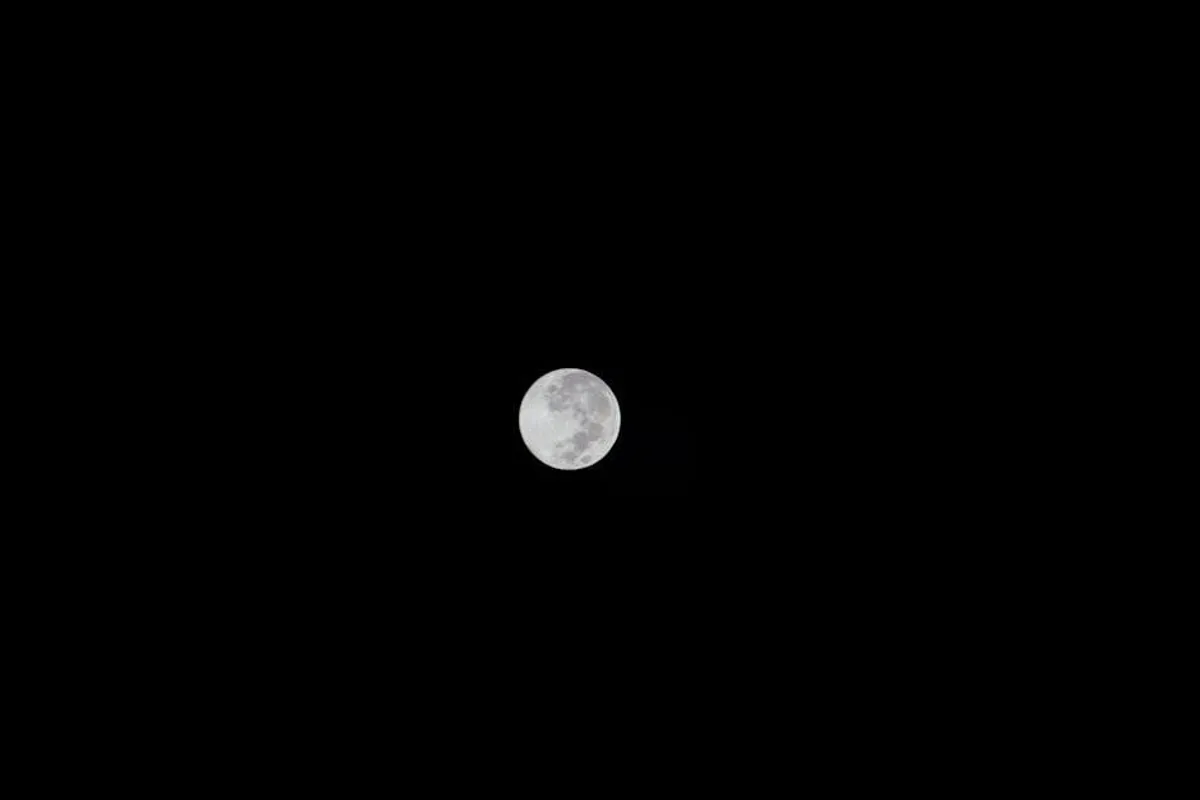
The 2026 full moon calendar provides a structured framework for understanding lunar cycles, offering more than just astronomical dates. For content strategists, marketers, and publishers, these dates, coupled with their traditional meanings, serve as distinct content hooks and seasonal indicators. Integrating full moon themes into an editorial calendar allows for timely, culturally resonant content, tapping into established search interest and audience engagement patterns across various niches, from wellness and spirituality to nature and photography. This resource details each 2026 full moon, its historical naming, and practical applications for commercial content planning.
Understanding Full Moon Naming Conventions
Full moon names are not arbitrary; they are rooted in historical observations, agricultural cycles, and cultural traditions, primarily from Native American tribes, colonial European settlers, and other indigenous groups. These names often reflect seasonal changes, animal behaviors, or harvest activities pertinent to the time of year. Understanding these origins is crucial for crafting authentic and relevant content, as the names carry specific connotations that resonate with particular audiences.
Origins and Regional Variations
Many widely recognized full moon names, such as the "Wolf Moon" or "Harvest Moon," originate from Algonquin tribes in North America. European folklore and Celtic traditions also contribute, sometimes leading to multiple names for the same lunar event. For example, what one culture calls the "Pink Moon," another might refer to as the "Egg Moon." Acknowledging these variations can broaden content appeal and allow for localized targeting, recognizing that search intent might differ based on regional nomenclature.
Full Moon Calendar 2026: Dates and Traditional Meanings
The following outlines the full moon schedule for 2026, providing the date, traditional name, and its associated meaning. All times are listed in Coordinated Universal Time (UTC), with the understanding that local time zones will shift the exact hour of peak illumination.
- January 13, 2026 (UTC): Wolf Moon
Meaning: Named for the howling of hungry wolves outside villages during the cold, deep winter. Represents survival, introspection, and ancestral connections. Content Application: Ideal for winter survival guides, introspective journaling prompts, ancestral research topics, or content on animal behavior in winter.
- February 12, 2026 (UTC): Snow Moon
Meaning: Reflects the typically heavy snowfall in February. Symbolizes purification, new beginnings, and clearing old energy. Content Application: Focus on winter sports, snow photography, detox programs, or articles on preparing for spring.
- March 14, 2026 (UTC): Worm Moon
Meaning: Signifies the warming earth and the emergence of earthworms, attracting birds. Associated with rebirth, emergence, and the first signs of spring. Content Application: Gardening tips, spring cleaning guides, birdwatching content, or articles on seasonal transitions.
- April 12, 2026 (UTC): Pink Moon
Meaning: Named after the pink moss phlox, one of the first widespread flowers of spring. Symbolizes renewal, growth, and vibrant new life. Content Application: Spring fashion, floral arrangements, outdoor activities, or content on personal growth and fresh starts.
- May 12, 2026 (UTC): Flower Moon
Meaning: Marks the time when flowers are abundant across North America. Represents fertility, blossoming, and celebrating beauty. Content Application: Mother's Day themes, botanical content, outdoor event planning, or topics on natural beauty and abundance.
- June 10, 2026 (UTC): Strawberry Moon
Meaning: Coincides with the short strawberry harvesting season. Symbolizes sweetness, abundance, and the peak of summer. Content Application: Summer recipes, fruit picking guides, outdoor festivals, or content on enjoying the peak season.
- July 10, 2026 (UTC): Buck Moon
Meaning: Named for the new antlers that emerge on male deer (bucks) during this month. Represents strength, protection, and growth. Content Application: Wildlife photography, outdoor adventure content, strength training, or themes of personal resilience.
- August 8, 2026 (UTC): Sturgeon Moon
Meaning: Named by Native American tribes who found sturgeon most abundant in the Great Lakes during August. Symbolizes harvest, provision, and preparation. Content Application: Fishing guides, end-of-summer travel, food preservation, or back-to-school preparations.
- September 7, 2026 (UTC): Harvest Moon
Meaning: The full moon closest to the autumnal equinox, providing light for farmers to harvest late into the night. Represents abundance, gratitude, and completion. Content Application: Autumn decor, Thanksgiving planning, agricultural topics, or content on reflection and winding down the year.
- October 6, 2026 (UTC): Hunter's Moon
Meaning: Follows the Harvest Moon, signaling the time to hunt and prepare for winter. Symbolizes preparation, provision, and strategic planning. Content Application: Hunting/fishing gear, Halloween themes, winter preparedness, or content on strategic business planning.
- November 5, 2026 (UTC): Beaver Moon
Meaning: Refers to the time beavers build their winter dams or when traps were set for their furs. Represents industry, resourcefulness, and protection. Content Application: Cozy home decor, winter fashion, preparedness for cold weather, or content on building and safeguarding assets.
- December 4, 2026 (UTC): Cold Moon
Meaning: Reflects the onset of deep winter and colder temperatures. Symbolizes rest, introspection, and the quiet before renewal. Content Application: Holiday gift guides, winter wellness, end-of-year reviews, or content on planning for the new year.
Leveraging Full Moon Cycles for Content and Marketing
Integrating full moon cycles into a content strategy extends beyond simple calendar marking. It involves understanding the inherent themes and audience interests associated with each lunar event to create targeted, impactful campaigns.
Seasonal Content Alignment
Each full moon name is intrinsically linked to a season or natural phenomenon. This provides a direct path for aligning content with broader seasonal trends. For instance, the "Strawberry Moon" in June naturally pairs with summer recipes, outdoor activities, and themes of abundance. Publishers can schedule articles, social media posts, and email campaigns that organically fit these seasonal shifts, enhancing relevance and timeliness for their audience.
Niche Market Opportunities
The diverse meanings behind full moon names open doors to specific niche markets. Wellness brands can focus on purification themes during the "Snow Moon," while gardening blogs can leverage the "Worm Moon" for planting guides. Astrologers, photographers, outdoor enthusiasts, and spiritual practitioners all represent distinct audiences actively searching for content related to lunar events. Tailoring content to these specific interests can drive highly engaged traffic and foster community.
Keyword Research and Search Intent
Full moon names are often direct search queries. Performing keyword research around "Wolf Moon meaning," "Pink Moon rituals," or "Harvest Moon photography" reveals specific user intent. Content creators can then develop articles, videos, or product pages that directly answer these queries, capturing traffic from users actively seeking information or products related to these lunar events. Monitoring search trends around these terms can inform content optimization and topic selection.
Pro Tip: Beyond direct full moon names, explore related long-tail keywords. For the "Beaver Moon," consider "winter preparedness tips," "cozy home essentials," or "animal behavior in November." These broader, yet contextually relevant, terms can capture a wider audience interested in the practical implications of the lunar cycle's seasonal markers.
Planning Ahead with Lunar Cycles
Incorporating the 2026 full moon calendar into your content strategy means more than just noting dates; it involves a proactive approach to audience engagement. By aligning content with these recurring natural and cultural touchpoints, publishers can create a consistent stream of relevant material that resonates deeply with their target demographics. This forward-looking approach ensures content feels timely, authentic, and addresses existing audience curiosity, ultimately enhancing site authority and user interaction.
Frequently Asked Questions About Full Moons
What is the significance of different full moon names?
Full moon names typically originate from Native American, colonial American, or European folklore traditions, reflecting seasonal changes, agricultural cycles, or animal behaviors characteristic of that specific month. Each name carries cultural and historical significance, often influencing associated rituals or beliefs.
Do full moons affect human behavior?
While popular belief often links full moons to changes in human behavior, scientific evidence largely does not support a direct causal relationship. However, the moon's gravitational pull does affect tides, and its brightness can influence sleep patterns, which may indirectly impact mood or energy levels for some individuals.
Are full moon dates the same worldwide?
A full moon occurs at a specific moment in time when the Moon is directly opposite the Sun in its orbit. While this exact moment is universal, the date and local time it is observed will vary across different time zones. A full moon might occur on one date in UTC but fall on the previous or next day in a different time zone.