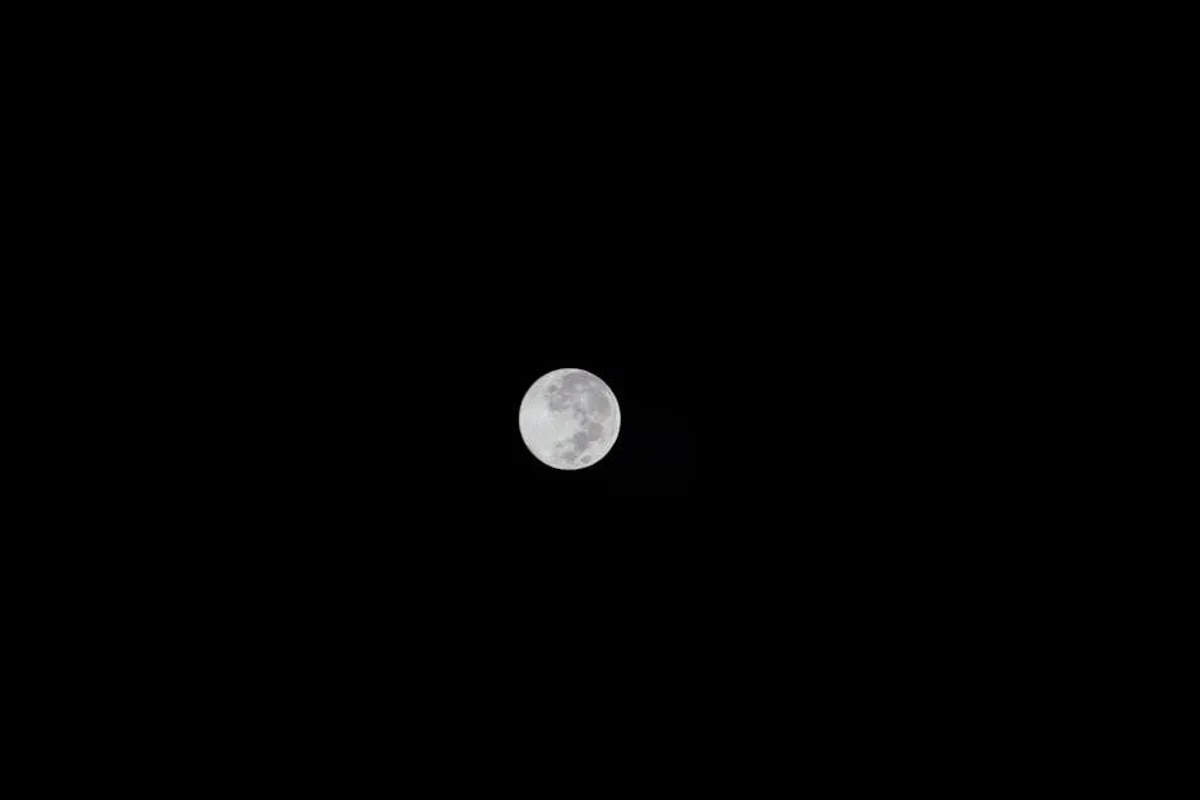
Understanding the 2026 full moon calendar offers practical benefits beyond astronomical curiosity. For planners, content creators, or those simply tracking natural cycles, knowing these dates provides a framework for scheduling, thematic development, and personal observation. This guide details each full moon in 2026, including its specific date, traditional name, and the cultural or historical meaning behind it, enabling informed decision-making and a deeper connection to lunar rhythms.
The Full Moon Cycle in 2026: Dates and Traditional Names
Each full moon throughout the year carries a specific name, often derived from Native American, colonial American, or European folklore, reflecting seasonal changes and agricultural cycles. These names serve as historical markers for natural events and can inform themed content, event planning, or simply enrich personal awareness.
January 2026: The Wolf Moon
Date: January 13, 2026
The Wolf Moon traditionally signifies the time of year when hungry wolf packs howled outside villages. This period marks deep winter, often associated with introspection and survival. For content planning, themes of resilience, fresh starts, or winter activities align well.
February 2026: The Snow Moon
Date: February 12, 2026
Named for the heavy snowfalls common during this month, the Snow Moon emphasizes scarcity and the harshness of late winter. It can be a strong thematic anchor for content on perseverance, seasonal challenges, or preparations for spring.
March 2026: The Worm Moon
Date: March 13, 2026
As temperatures rise and the ground thaws, earthworms begin to reappear, signaling the return of robins and the first signs of spring. The Worm Moon is a powerful symbol of renewal, growth, and the awakening of nature, making it ideal for spring-themed campaigns or wellness content.
April 2026: The Pink Moon
Date: April 11, 2026
This name comes from the Phlox subulata, or moss pink, one of the first widespread wildflowers of spring. The Pink Moon represents vibrant new beginnings, blossoming, and the full arrival of spring's color. It's suitable for themes of beauty, rejuvenation, and seasonal celebrations.
May 2026: The Flower Moon
Date: May 11, 2026
May is a period of abundant blossoms across many regions, hence the Flower Moon. This full moon signifies peak fertility, lush growth, and the height of spring's beauty. It can be used for content related to gardening, nature, growth, and abundance.
June 2026: The Strawberry Moon
Date: June 9, 2026
Named by Algonquin tribes for the relatively short season of harvesting strawberries, the Strawberry Moon marks a time of sweet abundance and the transition into summer. It's a fitting theme for summer kick-off events, fresh produce promotions, or celebrating natural bounty.
July 2026: The Buck Moon
Date: July 9, 2026
In July, male deer (bucks) begin to grow new antlers, pushing out of their foreheads in velvet-covered protuberances. The Buck Moon symbolizes strength, growth, and renewal. It's a strong theme for outdoor activities, personal development, or mid-summer vitality.
August 2026: The Sturgeon Moon
Date: August 7, 2026
This full moon is named after the large fish, sturgeon, which were most readily caught in the Great Lakes and other major bodies of water during this month. The Sturgeon Moon represents peak summer abundance, fishing, and harvesting. Content can focus on water activities, last-days-of-summer themes, or preparation for autumn.
September 2026: The Harvest Moon
Date: September 6, 2026
The Harvest Moon is the full moon closest to the autumnal equinox, providing extra moonlight for farmers to gather their crops. It is a symbol of culmination, gratitude, and the bounty of the land. This is a prime time for themes of harvest festivals, community, and seasonal transitions.
October 2026: The Hunter's Moon
Date: October 6, 2026
Following the Harvest Moon, the Hunter's Moon signals the time to hunt and prepare for the coming winter. The bright moonlight aided hunters in tracking game. This moon evokes themes of preparation, resourcefulness, and the shift to colder weather. It aligns well with autumn outdoor gear or seasonal food content.
November 2026: The Beaver Moon
Date: November 4, 2026
The Beaver Moon traditionally marked the time to set beaver traps before the swamps froze, ensuring a supply of warm furs for winter. It signifies preparation, industriousness, and securing resources for the colder months. Themes of cozy living, winter readiness, and planning are appropriate.
December 2026: The Cold Moon
Date: December 4, 2026
As winter truly sets in, the Cold Moon reflects the long, dark, and frigid nights of December. It represents stillness, reflection, and the deepest part of winter. Content can focus on winter holidays, introspection, or enduring the cold with comfort.
Pro Tip: While full moon dates are globally consistent, the exact time of peak illumination varies by time zone. For precise observation or event planning, always cross-reference with a local astronomical calendar to account for your specific geographical location. This ensures accurate timing for photography, stargazing, or any time-sensitive activities.
Leveraging Full Moon Cycles for Planning and Content
The consistent rhythm of full moons offers a predictable structure for various planning needs. Businesses and individuals can integrate these cycles into their strategies:
- Content Calendars: Align blog posts, social media campaigns, or newsletters with a moon's theme (e.g., "Flower Moon" for gardening tips, "Harvest Moon" for seasonal recipes).
- Event Planning: Schedule outdoor events, workshops, or themed gatherings around full moon dates, leveraging the natural light and cultural significance.
- Retail Promotions: Develop seasonal sales or product launches that resonate with the moon's name and its associated themes (e.g., "Beaver Moon" for winter apparel, "Pink Moon" for floral products).
- Personal Wellness: Use the moon phases as prompts for reflection, goal setting, or adjusting routines, connecting personal cycles with natural ones.
- Educational Outreach: Create educational content explaining the folklore and science behind each full moon, engaging audiences with historical and astronomical facts.
By understanding the underlying meanings, the 2026 full moon calendar becomes a tool for creating relevant, timely, and engaging experiences.
Actionable Insights for 2026 Full Moon Planning
To effectively utilize the 2026 full moon calendar, consider integrating these dates into your annual planning cycles early. Map out potential content themes, marketing initiatives, or personal projects that naturally align with the seasonal and cultural connotations of each full moon. Prioritize themes that resonate most strongly with your audience or personal goals, ensuring authenticity and relevance. Regularly check local astronomical resources for precise moonrise and moonset times, which can enhance observation opportunities or event logistics. This proactive approach transforms a simple calendar into a strategic asset for the year ahead.
Frequently Asked Questions About Full Moons
Why do full moons have different names each month?
Full moon names originate from various cultures, primarily Native American tribes, colonial Americans, and Europeans. These names often reflected seasonal changes, agricultural cycles, or significant natural events occurring during that particular month, helping communities track time and seasons.
Do full moons affect human behavior or sleep?
While popular folklore often links full moons to increased hospital admissions, crime rates, or altered behavior, scientific studies have largely found no consistent, statistically significant correlation. Some research suggests minor impacts on sleep patterns, but these effects are generally subtle and not universally observed.
Are the full moon dates the same worldwide?
The full moon occurs at a specific moment in time when the Moon is directly opposite the Sun in its orbit. This exact moment is universal. However, because of time zones, the calendar date on which this moment occurs can vary by a day depending on your geographical location. For example, a full moon occurring at 2 AM UTC on January 13th would be on January 12th in certain Western time zones.