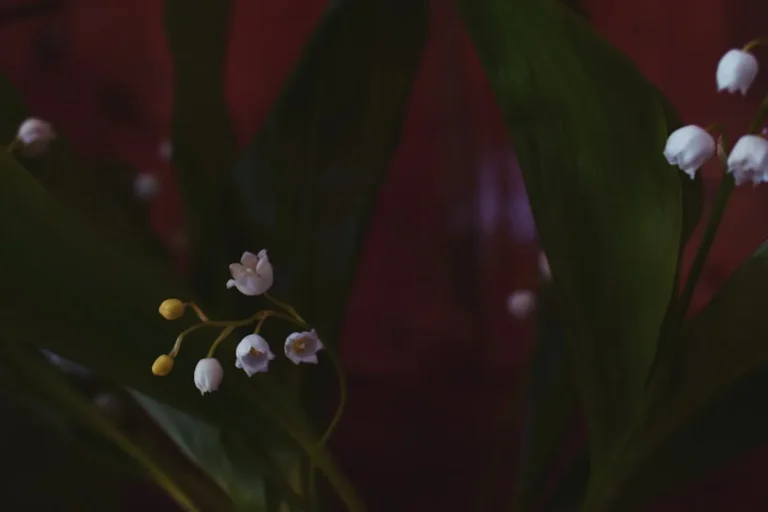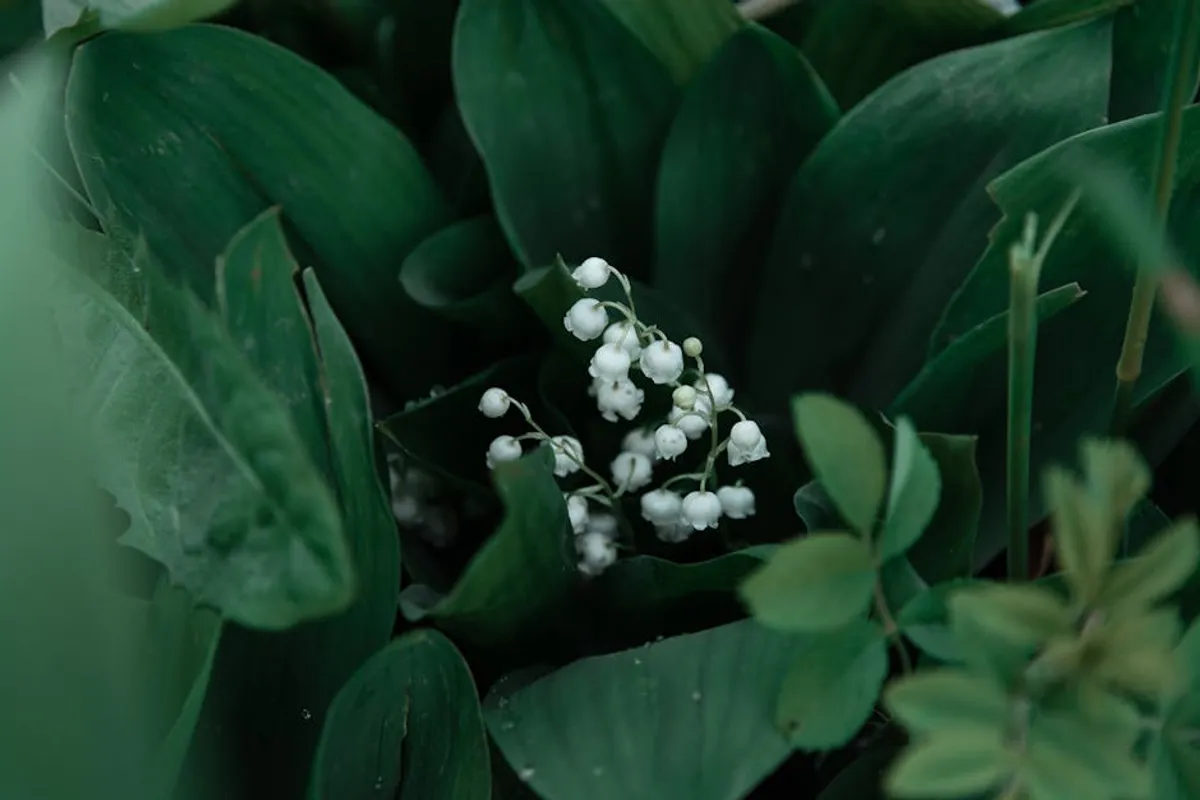
The Lily of the Valley, with its delicate, bell-shaped blossoms and intensely sweet fragrance, holds a rich tapestry of meanings that extend far beyond its botanical charm. For florists, event planners, fragrance developers, and content marketers, understanding these layers of symbolism is not merely an academic pursuit; it directly influences product positioning, campaign messaging, and audience engagement. This flower, botanically known as Convallaria majalis, carries distinct cultural weight that can elevate a brand narrative or inform critical design choices, making its symbolic interpretations a valuable commercial asset.
Historical Roots and Cultural Resonance
The symbolism of Lily of the Valley is deeply embedded in European history and tradition, influencing its perception across various industries. Its origins trace back to ancient folklore and religious texts, providing a foundation for its enduring meanings.
- European Folklore: In many cultures, Lily of the Valley is associated with spring, renewal, and the return of happiness after winter's dormancy. This connection makes it a natural fit for celebratory events and seasonal campaigns.
- Christian Symbolism: Often referred to as "Our Lady's Tears," the flower is linked to the Virgin Mary's sorrow at the crucifixion, with its downward-facing bells representing humility and tears. This religious context provides a profound layer of meaning for memorial services or spiritual-themed products.
- Royal Associations: In France, the flower has been a symbol of good luck and a traditional gift on May 1st (Fête du Muguet) since the 16th century, when King Charles IX began presenting sprigs to his courtiers. This tradition imbues it with an air of elegance and exclusivity, valuable for luxury branding.
Core Symbolic Interpretations
The primary meanings attributed to Lily of the Valley are consistent, yet versatile enough for diverse commercial applications.
Return to Happiness: This is arguably its most prominent meaning. The flower signals the end of hardship and the beginning of joy.
Commercial Application: Ideal for "welcome back" gifts, recovery-themed products, or as a motif in marketing campaigns emphasizing optimism and renewal.
Purity and Innocence: Its pristine white bells and delicate appearance naturally evoke notions of purity, sweetness, and new beginnings.
Commercial Application: A staple in bridal bouquets, christening gifts, or baby product branding. Fragrance lines aiming for a clean, fresh, or innocent scent profile often feature it.
Humility: The way its small, white bells gracefully hang downwards suggests modesty and humility.
Commercial Application: Useful for brands wishing to convey understated elegance, sincerity, or a connection to nature without ostentation.
Motherhood: In some regions, particularly on Mother's Day, Lily of the Valley is a popular gift, symbolizing the tenderness and protective nature of maternal love.
Commercial Application: Florists can market it specifically for Mother's Day, while gift companies can incorporate its imagery for products targeting mothers.
Strategic Applications Across Industries
Understanding Lily of the Valley's symbolism allows for precise targeting and emotive messaging in various commercial sectors.
For Florists and Event Planners:
Lily of the Valley commands a premium price due to its seasonal availability and delicate nature. Positioning it for high-end weddings leverages its purity and "return to happiness" symbolism for new beginnings. For sympathy arrangements, its association with peace and remembrance offers comfort. Marketing campaigns can highlight its exclusivity and historical significance.
For Fragrance and Cosmetic Brands:
The distinct, sweet, green-floral scent of Lily of the Valley is a classic note in perfumery, often associated with luxury and sophistication. Brands can leverage its symbolism of purity and freshness to market perfumes, lotions, or candles. The challenge of extracting its natural oil (it's often synthesized) adds to its mystique and value proposition in high-end products.
For Designers and Artists:
As a motif, Lily of the Valley appears in textiles, jewelry, and fine art. Its elegant form and symbolic depth make it suitable for luxury goods, bespoke designs, or commemorative pieces. Designers can draw on its historical royal connections for exclusive collections or its natural beauty for botanical-themed art.
For Content Creators and Publishers:
Content around Lily of the Valley can target specific seasonal trends (e.g., May Day, spring weddings, Mother's Day) or emotional needs (sympathy, joy, renewal). Publishers can develop articles, social media campaigns, or product guides that explore its symbolism, care, and commercial uses, attracting audiences interested in floral meanings, gift ideas, or luxury goods.
Pro Tip: Handle with Caution
While beautiful and symbolically rich, Lily of the Valley is highly toxic if ingested by humans or pets. Every part of the plant, from its roots to its berries, contains cardiac glycosides. For florists, event planners, and product developers, this necessitates clear communication regarding its handling, placement, and potential risks, especially in contexts involving children or animals. This is not merely a safety warning but a critical liability consideration that must be addressed in product descriptions and client advisories.
Maximizing Commercial Engagement
To effectively leverage Lily of the Valley's symbolism, consider these actionable strategies:
- Targeted Messaging: Tailor marketing copy to specific symbolic meanings. For a wedding, emphasize "purity" and "new beginnings." For a luxury fragrance, highlight "elegance" and "historical prestige."
- Seasonal Campaigns: Plan content and product launches around key dates like May 1st (Fête du Muguet), Mother's Day, or spring equinox, capitalizing on its seasonal relevance.
- Educational Content: Create blog posts, infographics, or videos explaining the flower's rich history and diverse meanings. This positions your brand as an authority and builds trust with consumers.
- Product Storytelling: Integrate the flower's symbolism into product narratives. For example, a jewelry piece featuring Lily of the Valley could be marketed as a "symbol of returning joy" or "a token of pure love."
Driving Value Through Symbolic Understanding
The Lily of the Valley offers more than aesthetic appeal; it provides a powerful narrative tool. By meticulously understanding its historical context, core meanings, and inherent cautions, businesses can craft more resonant marketing messages, develop more compelling products, and ultimately connect with their target audience on a deeper, more emotional level. Its delicate appearance belies a potent commercial utility, making its symbolism a strategic asset for any brand seeking to evoke purity, joy, or understated elegance.
Frequently Asked Questions
What is the primary meaning of Lily of the Valley?
Its most prominent meaning is "the return to happiness," symbolizing joy, renewal, and the end of sorrow.
Is Lily of the Valley poisonous?
Yes, all parts of the Lily of the Valley plant are highly toxic if ingested, containing cardiac glycosides that can be dangerous to humans and animals.
Why is Lily of the Valley associated with May?
It is the traditional birth flower for May, and in France, it is customary to give sprigs of Lily of the Valley on May 1st (Fête du Muguet) as a token of good luck and happiness.
What events is Lily of the Valley typically used for?
It is commonly used in weddings (symbolizing purity and new beginnings), Mother's Day gifts (representing maternal love), and occasionally in sympathy arrangements (for peace and remembrance).