Understanding the nuanced symbolism of flowers, particularly the poppy, provides a critical layer of context for visual communication, content creation, and cultural messaging. For professionals crafting narratives or designing assets, recognizing these established meanings prevents misinterpretation and enhances the emotional resonance of their work. The poppy, with its delicate appearance yet potent historical associations, carries a weight of meaning that varies significantly across cultures and even by color, making precise application essential for impactful communication.
Red Poppy: Remembrance and Sacrifice
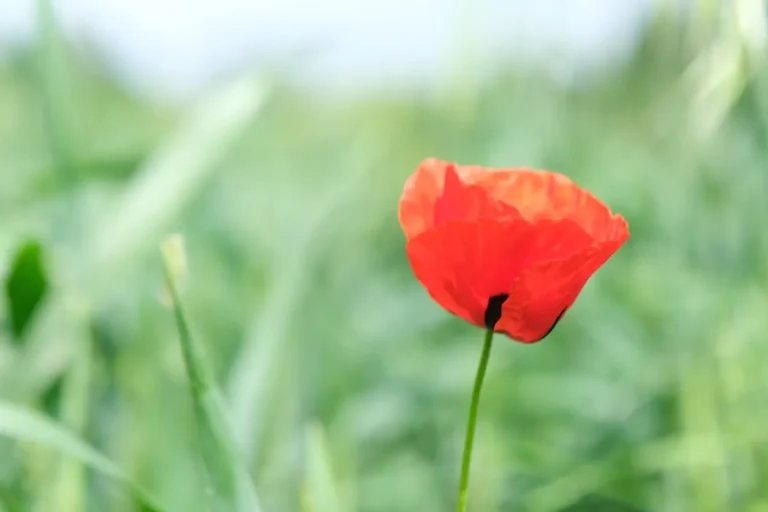
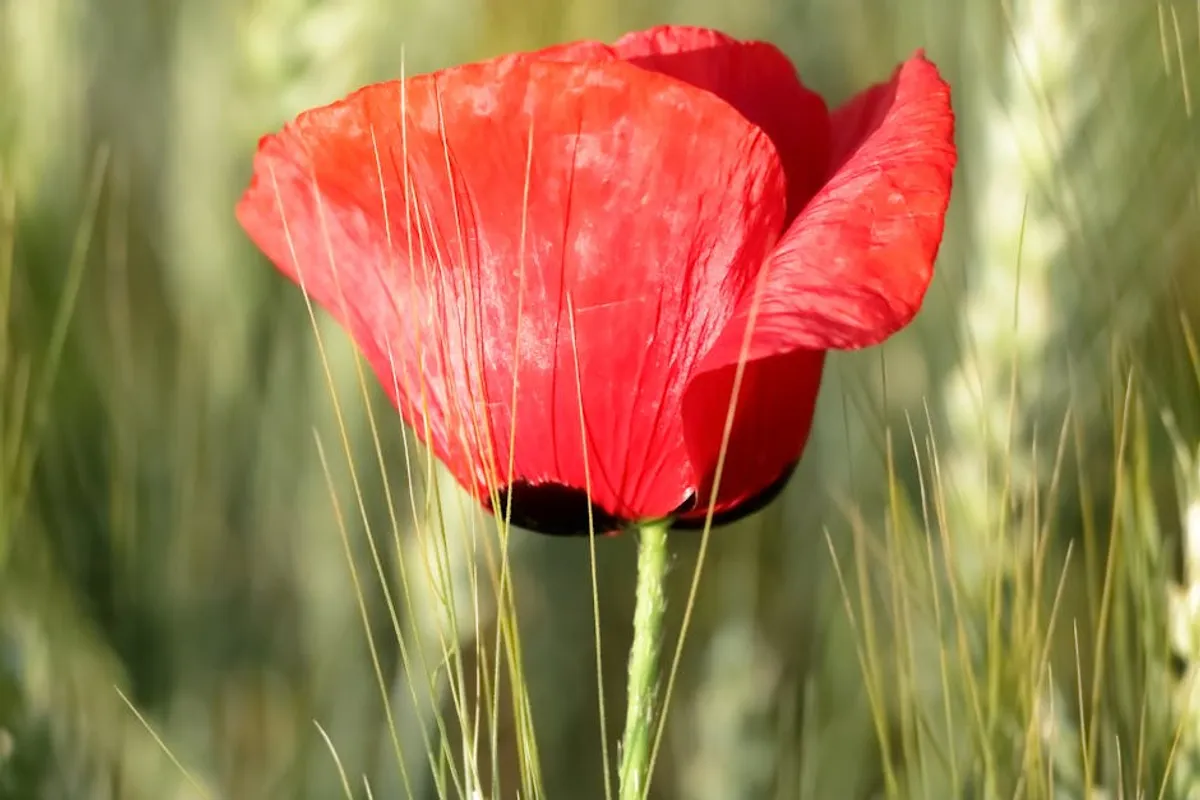
The red poppy holds the most widely recognized and poignant symbolism, primarily associated with remembrance and sacrifice, particularly in Western cultures. Its connection to fallen soldiers stems directly from the battlefields of World War I, where poppies famously bloomed in abundance over disturbed ground and graves in Flanders Fields. This imagery was immortalized in John McCrae's poem, solidifying the red poppy's role as an emblem of military sacrifice and commemoration.
Beyond this specific historical context, the red poppy also signifies:
- Deep love and passion: In some traditions, the vibrant red hue evokes intense emotions and enduring affection.
- Consolation and comfort: For those grieving, the red poppy can offer a visual representation of solace.
- Resurrection: Its annual re-emergence from the earth links it to themes of rebirth and renewal.
For content creators, deploying the red poppy demands careful consideration of its primary association to avoid unintended messages, especially in regions where Remembrance Day is a significant observance.
White Poppy: Peace and Consolation
In contrast to the red poppy's association with military sacrifice, the white poppy emerged as a symbol of peace and pacifism, particularly since the 1930s. It represents a commitment to peace, a rejection of war, and a remembrance of all victims of conflict, both civilian and military. Its usage often aims to broaden the conversation around remembrance to encompass a wider plea for non-violence.
Best for: Campaigns promoting peace initiatives, humanitarian efforts, or general anti-war sentiment. Its visual impact is softer, aligning with themes of hope and reconciliation rather than solemn commemoration.
Purple Poppy: Animal Remembrance
The purple poppy is a more recent addition to the symbolic floral lexicon, specifically dedicated to commemorating the animal victims of war. This includes horses, dogs, pigeons, and other animals that have served and suffered in conflicts throughout history. Its adoption highlights the often-overlooked contributions and sacrifices made by animals in human-led conflicts.
Contextual use: Ideal for organizations focused on animal welfare, historical accounts of war animals, or educational content aiming to broaden the scope of remembrance beyond human participants.
General Poppy Symbolism: Sleep, Death, and Beauty
Across various cultures and historical periods, the poppy has carried a broader range of meanings, often linked to its natural properties and appearance:
- Sleep and rest: The opium poppy (Papaver somniferum) is the source of opiates, historically used for their sedative and pain-relieving properties. This led to a strong association with sleep, dreams, and eternal rest.
- Death: Due to its connection with sleep, the poppy frequently appears in funerary art and literature as a symbol of death and the quiet repose of the deceased.
- Fertility and abundance: In ancient Greek and Roman myths, poppies were associated with agricultural deities like Demeter and Ceres, symbolizing fertility, harvest, and the prolific nature of life.
- Beauty and fragility: The poppy's delicate petals and short blooming period also imbue it with a sense of fleeting beauty and the transient nature of life.
Pro Tip: When incorporating poppy imagery into commercial or editorial content, always consider the specific regional and historical context of your target audience. A red poppy in the UK evokes Remembrance Day, while in other regions, its primary association might be with sleep or even drug cultivation, leading to drastically different interpretations. Cultural sensitivity and precise messaging are paramount to avoid unintended or offensive connotations.
Cultural and Historical Contexts
The poppy's symbolism is not monolithic; its interpretation shifts based on geographical and historical lenses. In ancient Egypt, poppies were found in tombs, suggesting a link to the afterlife. In some Eastern cultures, particularly those where opium poppies were cultivated, the flower could carry connotations of wealth, addiction, or even spiritual enlightenment, depending on the specific context and historical period.
For example, while the red poppy is a powerful symbol of remembrance in Commonwealth countries, its usage in other nations might lack this specific resonance or even carry alternative meanings. Designers and marketers must research local interpretations to ensure their visual language is both effective and appropriate.
Strategic Application of Poppy Symbolism
Leveraging poppy symbolism in content requires a strategic approach that aligns the flower's inherent meanings with the desired message. For instance, a brand focusing on sustainable agriculture might subtly use poppy imagery to evoke fertility and natural abundance, while a non-profit advocating for veterans' support would naturally lean into the red poppy's remembrance aspect.
Consider the emotional weight: a red poppy can evoke solemnity and gratitude, a white poppy inspires hope and peace, and the general imagery of poppies can suggest tranquility, dreams, or even a connection to ancient wisdom. The choice of color, species (e.g., oriental poppy vs. corn poppy), and accompanying visual elements can further refine the intended message, ensuring clarity and impact.
Frequently Asked Questions
What is the primary meaning of the red poppy?
The red poppy primarily symbolizes remembrance and sacrifice, particularly for fallen soldiers, stemming from its association with World War I battlefields.
Do different poppy colors have distinct meanings?
Yes, different poppy colors carry distinct meanings; for instance, white poppies symbolize peace, and purple poppies commemorate animal victims of war.
Why are poppies often associated with sleep and death?
Poppies, especially the opium poppy, contain sedative properties, historically linking them to sleep, dreams, and by extension, eternal rest and death.
Can poppy symbolism be used in modern branding?
Yes, poppy symbolism can be effectively used in modern branding, provided the chosen color and context align precisely with the brand's message and target audience's cultural understanding to avoid misinterpretation.