The Flower Moon, an annual celestial event, marks the full moon of May, carrying with it a rich tapestry of cultural meanings and astronomical specificities. Understanding this event involves more than just knowing its date; it requires an appreciation for its historical naming conventions, its place within the lunar calendar, and its enduring significance across various traditions. For content strategists, educators, or anyone tracking seasonal phenomena, precise information about the Flower Moon offers a valuable touchpoint for audience engagement and contextual understanding. For content strategists, educators, or anyone tracking seasonal phenomena, precise information about the Flower Moon offers a valuable touchpoint for audience engagement and contextual understanding, including the full moon calendar dates.
Origins and Naming of the Flower Moon
The designation "Flower Moon" primarily originates from Native American traditions, particularly among Algonquin tribes. This name reflects the abundant blossoming of flowers that occurs across North America during the month of May. It is a direct reference to the natural world's reawakening and fertility after the colder months, marking a period of growth and vibrant color.
Beyond the Algonquin, other indigenous cultures observed and named this full moon based on their local environmental cues and agricultural cycles. These alternative names provide additional context for the period:
- Corn Planting Moon: Reflecting the time when corn seeds were traditionally sown.
- Milk Moon: Referencing the increased milk production from livestock during the spring.
- Hare Moon: Associated with the abundance of young hares born in spring.
- Bright Moon: A more general descriptor, highlighting the moon's luminosity in the clear spring skies.
Each name underscores the deep connection between early human societies and the natural rhythms dictated by the seasons and the lunar calendar.
Determining the Annual Date of the Flower Moon
The Flower Moon is simply the full moon that occurs in May. Its exact date shifts each year because the lunar cycle (approximately 29.5 days) does not align perfectly with the Gregorian calendar months. A full moon occurs when the Moon is directly opposite the Sun in its orbit, making its entire face visible from Earth. This alignment happens roughly once a month. This alignment happens roughly once a month, making it easy to track when the next full moon is.
To pinpoint the date of the Flower Moon, astronomers and calendar-makers rely on precise calculations of the Moon's phases. The full moon phase is defined by the exact moment the Moon reaches 180 degrees ecliptic longitude from the Sun. This moment can occur on any day in May, sometimes early in the month and sometimes late. For instance, in 2024, the Flower Moon occurred on May 23rd. In 2025, it is expected on May 12th. These dates are publicly available through astronomical observatories, almanacs, and reputable online sources that track celestial events.
Astronomical Characteristics
While culturally significant, the Flower Moon does not possess unique astronomical properties that set it apart from other full moons. It is not inherently brighter, larger, or closer to Earth than any other full moon, unless it coincidentally aligns with a perigee (the point in the Moon's orbit closest to Earth), in which case it might be referred to as a "Super Flower Moon." Such occurrences are not annual and depend on the specific orbital mechanics of a given year.
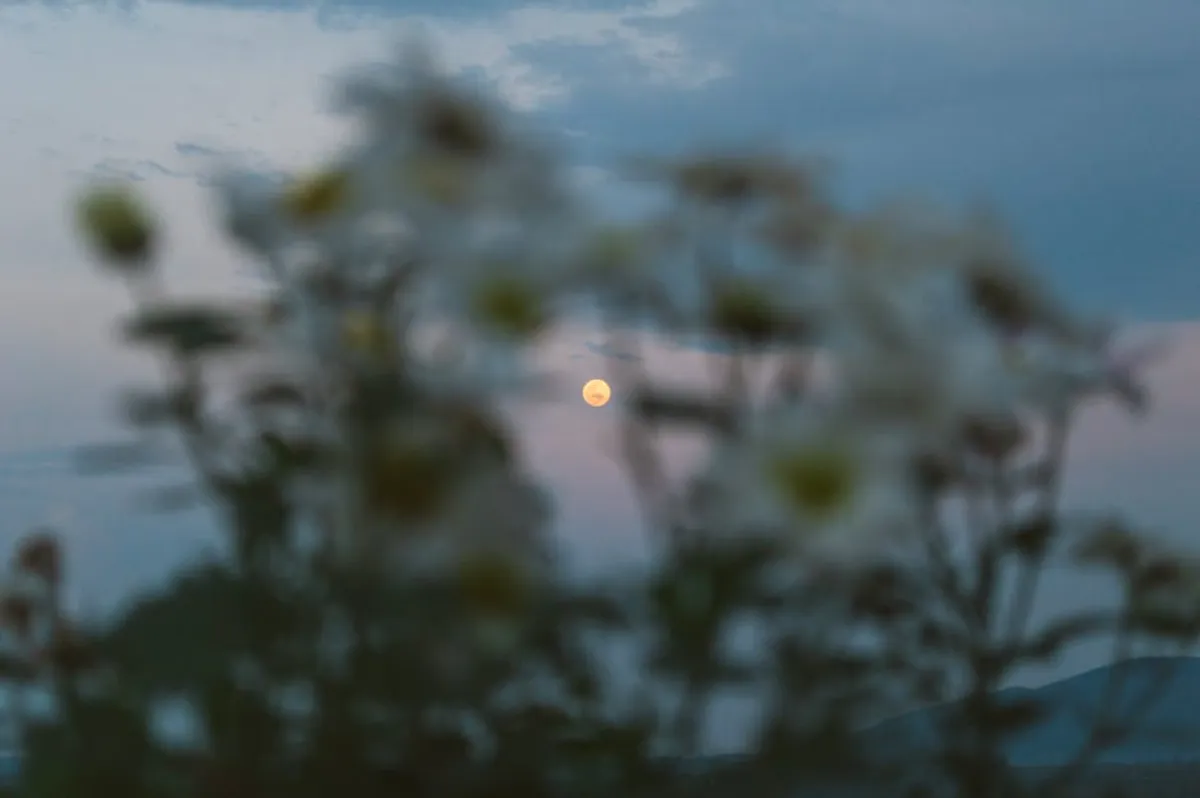
The visual appearance of the Flower Moon can be influenced by atmospheric conditions, such as haze or dust, which can give it a reddish or orange tint, particularly when it is low on the horizon. This is an optical effect, however, not an intrinsic property of the moon itself.
Pro Tip: When planning content or events around the Flower Moon, verify the exact date and time of the full moon's peak illumination for your specific time zone. This precision ensures accuracy, especially for live viewing events or time-sensitive cultural observances. Astronomical sites often list the UTC time, requiring conversion.
Cultural Significance and Modern Interpretations
Historically, the Flower Moon was a marker for various activities. For agricultural communities, it signified prime planting time and the burgeoning growth of crops. For hunter-gatherer societies, it could indicate the availability of certain game or foraging opportunities. It was often a time for celebration of life, fertility, and abundance, reflecting the spring season's energy.
In modern contexts, the Flower Moon continues to hold symbolic weight. It is often associated with themes of:
- Renewal and Growth: A period to reflect on personal or professional development, similar to the flourishing natural world.
- Fertility and Abundance: A time for setting intentions related to creativity, productivity, and bringing new projects to fruition.
- Celebration of Nature: An opportunity to reconnect with the natural environment, observe the changing seasons, and appreciate biodiversity.
- Spiritual Reflection: For some, it is a time for meditation, gratitude, and acknowledging the cyclical nature of existence.
These interpretations make the Flower Moon a relevant cultural touchstone, often featured in seasonal marketing, wellness content, educational programs, and community events.
Observing the Flower Moon
Observing the Flower Moon requires no special equipment, making it an accessible celestial event for everyone. The full moon is visible from anywhere on Earth, provided there are clear skies. For the best viewing experience:
- Timing: The moon will appear full for about three days centered around the exact moment of peak illumination. However, for a truly "full" appearance, observe it on the night of the calculated full moon date.
- Location: Seek out a location away from significant light pollution to enhance visibility and the moon's apparent brightness. Open areas with an unobstructed view of the horizon are ideal.
- Horizon Viewing: The moon often appears largest and most dramatic when it is low on the horizon, due to an optical illusion known as the "moon illusion."
- Photography: While not astronomically unique, the Flower Moon can be a beautiful photographic subject. Using a telephoto lens can capture details, and experimenting with long exposures can yield striking results, especially if foreground elements like blooming flowers are included.
Remember that local weather conditions will always be the primary determinant of visibility. Cloud cover can obscure the view, regardless of the moon's phase or location.
Navigating the Lunar Calendar
The Flower Moon serves as a consistent annual marker within the broader lunar calendar, offering a predictable point of reference for cultural, agricultural, and personal planning. By understanding its origins, how its date is determined, and its enduring symbolic meaning, individuals and organizations can effectively integrate this natural phenomenon into their seasonal narratives and activities. Its annual return reinforces the cyclical nature of both the cosmos and life on Earth, providing a tangible connection to ancient traditions and the rhythm of the seasons.
Frequently Asked Questions
Is the Flower Moon always in May?
Yes, the Flower Moon specifically refers to the full moon that occurs during the month of May each year. If there are two full moons in May, the first would be the Flower Moon, but this is a rare occurrence.
Does the Flower Moon have any special astronomical properties?
No, the Flower Moon is a full moon like any other and does not possess unique astronomical characteristics such as being inherently brighter or larger. Its significance is primarily cultural and historical, rooted in its timing during the spring season.
What are some other names for the Flower Moon?
Historically, the May full moon has been known by various names, including the Corn Planting Moon, Milk Moon, and Hare Moon, reflecting different indigenous observations of natural events occurring in spring.
How often does the Flower Moon occur?
The Flower Moon occurs once every year, as it is simply the full moon of May. Its exact date varies annually due to the differences between the lunar cycle and the Gregorian calendar.